After refining your Shopify store—organizing collections, improving SEO, and setting up essential features—you’ve already completed a major part of the journey. However, many store owners reach this stage and still struggle with low sales. This can feel confusing because the store looks better, the structure is cleaner, and the products are ready—yet orders don’t increase as expected.
This situation usually points to a deeper issue: growth is not just about building a store, but about bringing the right people to it and converting them into customers. Your question about hiring a marketing expert or agency is valid, but the decision requires a clear understanding of your current challenges.
Understanding the Core Problem: Traffic vs Conversion
Before choosing any expert or strategy, you must first identify what is actually limiting your growth. There are two main possibilities.
Low Traffic
If your store is not getting enough visitors, then the issue is visibility. Without consistent traffic, even the best-designed store will not generate sales. In this case, your focus should be on attracting the right audience through targeted marketing efforts.
This involves:
- Building awareness through ads and content
- Reaching people who are interested in your products
- Creating visibility in your target market
Low Conversion
If your store is getting visitors but not enough purchases, then the issue is conversion. This is more common than most people think.
It means:
- Visitors are interested enough to click
- But something stops them from buying
This “something” could be:
- Lack of trust
- Weak product descriptions
- Poor user experience
- Unclear value proposition
In this case, increasing traffic without fixing conversion issues will only increase your costs without improving revenue.
Why Diagnosis Comes Before Marketing
One of the most valuable insights from the discussion is the importance of diagnosing your store before scaling marketing efforts. This is often overlooked.
Many store owners rush into running ads, assuming that more traffic will solve their problem. However, if your store does not build confidence or clearly communicate value, visitors will leave without purchasing.
A proper diagnosis includes evaluating:
- Homepage clarity
- Product page strength
- Trust signals
- Mobile experience
- Checkout flow
Fixing these areas ensures that when traffic comes, it converts into sales.
What a Good Marketing Expert Actually Does
A common misconception is that a marketing expert simply runs ads. In reality, a professional approach is much broader.
A skilled expert should:
- Analyze your current store performance
- Understand your target audience
- Identify weaknesses in conversion
- Create a strategy for both traffic and sales
- Optimize the customer journey
- Build systems for long-term growth
If someone immediately suggests running ads without asking about your store, audience, or data, that is a warning sign.
Good marketing starts with understanding—not spending.
Paid Advertising: Powerful but Requires Preparation
You mentioned interest in running ads across social platforms and search channels. These are powerful tools, but they are not a guaranteed solution.
Paid advertising works best when:
- Your product solves a clear problem
- Your messaging is strong and clear
- Your store looks trustworthy
- Your offer is compelling
If these elements are missing, ads will only bring traffic that leaves without buying.
This leads to:
- High costs
- Low return
- Frustration
The goal is not just to run ads—but to run profitable ads.
The Importance of Qualified Traffic
Not all visitors are valuable. The focus should always be on qualified traffic, meaning people who are genuinely interested in your products.
For example:
- Random visitors may click but not buy
- Targeted visitors are more likely to convert
Qualified traffic depends on:
- Audience targeting
- Ad messaging
- Product relevance
- Creative quality
A good marketing strategy prioritizes quality over quantity.
Conversion Strategies: The Real Growth Driver
Even the best traffic strategy will fail if your store does not convert visitors into customers. This is where conversion-focused strategies become essential.
Key Elements of Conversion
Clear Product Benefits
Customers want to know how the product improves their life. Features alone are not enough. You must explain outcomes and use cases.
Strong Trust Signals
Trust is a major factor in online shopping. Customers look for:
- Reviews and testimonials
- Clear policies
- Contact information
- Professional design
Transparent Information
Shipping time, return policy, and product details should be easy to find and understand.
Smooth User Experience
Navigation, loading speed, and checkout flow should be simple and intuitive.
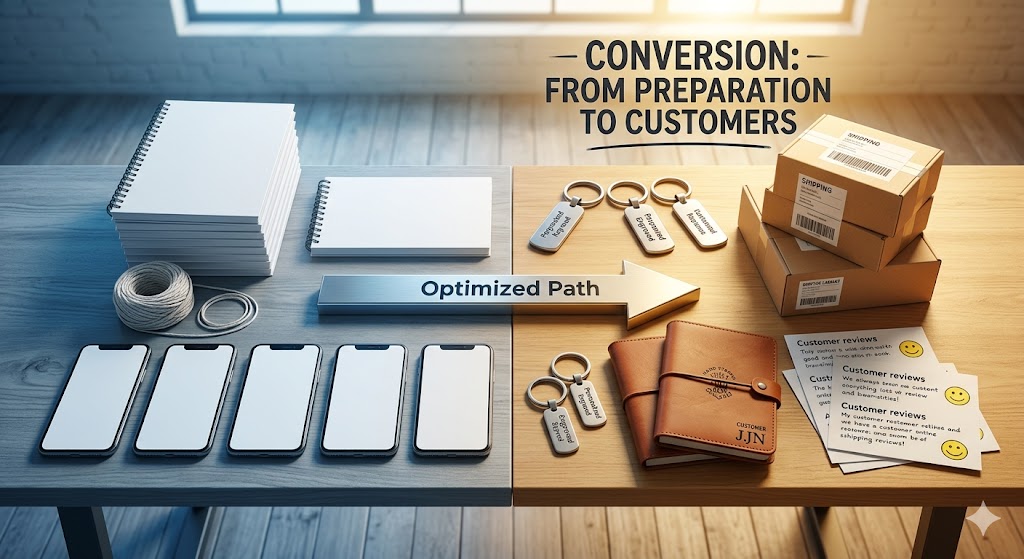
Email Marketing and Retargeting
Most visitors do not purchase on their first visit. This is normal behavior.
To recover these potential customers, you need follow-up strategies.
Email Marketing
This helps you:
- Welcome new visitors
- Recover abandoned carts
- Build long-term relationships
- Encourage repeat purchases
Retargeting
This allows you to:
- Show ads to previous visitors
- Remind them of products they viewed
- Encourage them to return and buy
These strategies are essential for improving conversion rates and maximizing the value of your traffic.
Choosing Between Agency, Freelancer, or In-House Learning
There are three main paths you can take.
Agency
An agency offers a full-service approach. This includes strategy, execution, and optimization.
Best for:
- Businesses ready to scale
- Larger budgets
- Faster results
However, agencies can be expensive, and quality varies.
Freelancer
A freelancer provides more flexibility and is often more affordable.
Best for:
- Specific needs (ads, conversion optimization, email setup)
- Moderate budgets
The outcome depends heavily on the individual’s expertise.
In-House Learning
Learning marketing yourself is a long-term investment.
Best for:
- Beginners
- Limited budgets
- Those who want full control
While it takes time, it helps you understand your business deeply.
The Role of Budget in Marketing Decisions
One of the most practical questions raised in the discussion is about budget.
Your marketing strategy should always match your financial capacity.
Without a clear budget:
- Planning becomes unclear
- Expectations become unrealistic
- Results become inconsistent
A good expert will always ask about your budget before recommending a plan.
Why Store Optimization Should Come First
Another important perspective is that store optimization should be prioritized before scaling marketing.
Key areas to improve include:
- Clear product benefits
- Strong reviews and social proof
- Visible shipping and return information
- Professional design
- Mobile-friendly experience
When these elements are strong, your store becomes more effective at converting visitors into buyers.
The Importance of Data and Operations
Marketing success also depends on how well your store operates behind the scenes.
This includes:
- Accurate inventory
- Correct pricing
- Reliable fulfillment
- Smooth order management
If these systems are not stable, scaling marketing can create operational problems and damage customer trust.
What to Look for in a Marketing Expert
Before hiring anyone, evaluate them carefully.
A good expert will:
- Ask detailed questions about your store
- Focus on both traffic and conversion
- Explain their strategy clearly
- Set realistic expectations
Avoid anyone who promises:
- Instant results
- Guaranteed sales
- Quick success without analysis
Sustainable growth requires strategy and consistency.
Practical Action Plan
To move forward effectively, follow this sequence:
- Identify whether your issue is traffic or conversion
- Improve product pages and trust signals
- Ensure clear policies and smooth user experience
- Set up follow-up strategies like email and retargeting
- Test paid marketing gradually
- Hire expert support only after understanding your needs
Final Thought
Your situation is not unusual—it represents a transition phase from building your store to scaling it.
The key is not to rush into marketing without preparation.
Growth happens when:
- The right audience visits your store
- Your store builds trust instantly
- Your product clearly communicates value
Conclusion
Hiring a marketing expert or agency can significantly improve your results—but only when your foundation is strong and your goals are clear.
Traffic alone does not generate sales. Conversion does.
By focusing on both attracting the right audience and improving the customer experience, you can turn your store into a profitable and scalable business.
In the end, success in eCommerce is not about how many people visit your store—
It is about how many feel confident enough to buy.