Starting an online business can be both exciting and overwhelming. Many entrepreneurs enter the world of dropshipping because it offers a relatively low barrier to entry, allowing them to sell products without maintaining physical inventory. While the business model appears simple at first, achieving consistent sales and building a profitable brand requires knowledge, strategy, patience, and continuous improvement. For many beginners, one of the biggest challenges is finding reliable guidance from someone who has genuine experience rather than relying on generic advice or unrealistic promises.
The discussion centers around a new online seller from Spain who is actively searching for a genuine mentor with real-world experience in building and scaling a dropshipping business. The seller specifically wants practical guidance instead of paid courses, promotional offers, or exaggerated success stories. Their store focuses on lightweight fashion accessories and technology-related products while primarily targeting customers in Spain, with future plans to expand across Europe and eventually into international markets.
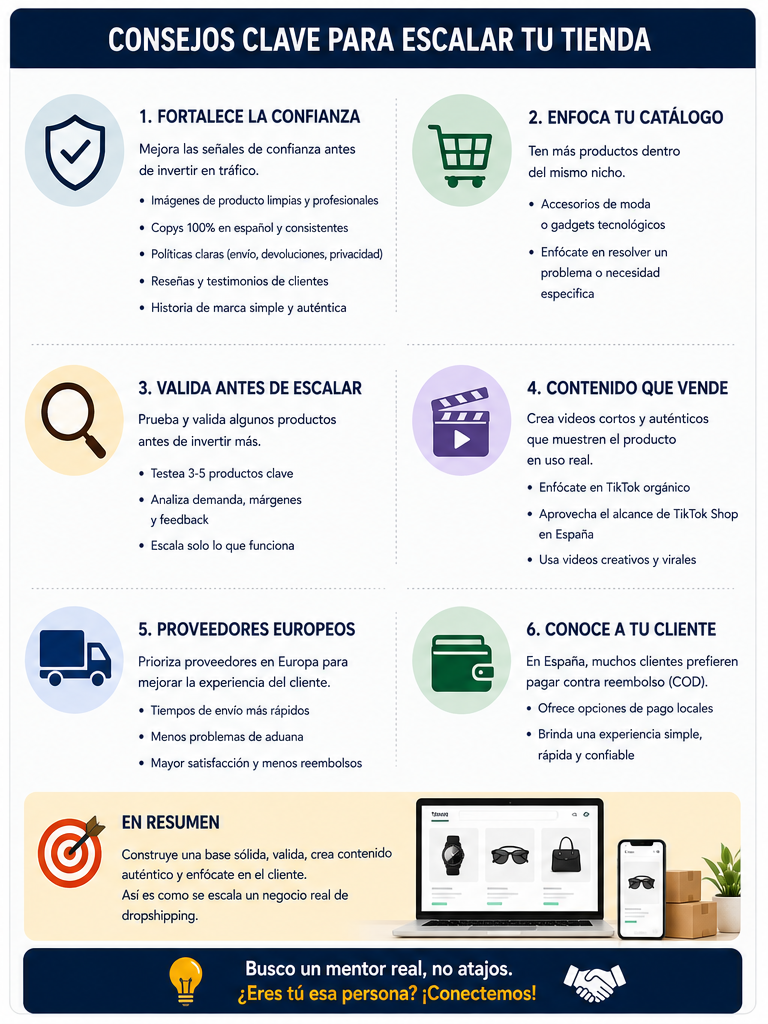
Rather than providing a confirmed mentor, the responses focus on evaluating the current state of the business and identifying improvements that should be made before investing significant time or money into attracting more customers. Contributors recommend strengthening customer trust, improving product presentation, creating a clearer brand identity, focusing on consistent product selection, producing engaging short-form content, working with suppliers located closer to target customers, and validating products before attempting rapid expansion.
Although the original goal of finding a mentor remains unresolved, the discussion offers valuable insights into what early-stage entrepreneurs should prioritize before scaling an online business.
Why Many Entrepreneurs Seek Mentors
Building a successful business often involves making countless decisions.
New entrepreneurs must learn about:
- Product selection
- Customer behavior
- Marketing
- Branding
- Pricing
- Supplier relationships
- Customer service
- Business operations
Trying to learn everything independently can be time-consuming and expensive.
A knowledgeable mentor can shorten the learning curve by sharing practical experience and helping entrepreneurs avoid common mistakes.
However, not every mentor offers genuine value.
Choosing the right person is just as important as deciding to seek guidance in the first place.
The Difference Between Advice and Experience
One of the strongest themes in the discussion is the desire for authentic experience.
Many beginners become overwhelmed by advertisements promising instant success.
Experienced entrepreneurs understand that building a profitable business requires consistent effort rather than shortcuts.
A valuable mentor typically provides:
- Honest feedback
- Practical recommendations
- Real business examples
- Long-term guidance
- Constructive criticism
Instead of making unrealistic promises, experienced mentors focus on helping entrepreneurs improve gradually through better decision-making.
Building a Strong Foundation Before Scaling
An important point raised throughout the discussion is that businesses should strengthen their foundation before attempting rapid growth.
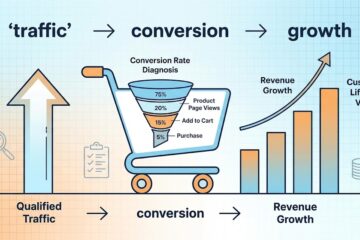
Many beginners believe increasing website traffic automatically leads to higher sales.
However, attracting visitors to an unoptimized store often results in wasted marketing efforts.
Before focusing on expansion, businesses should improve the overall customer experience.
Strong foundations include:
- Professional presentation
- Clear branding
- Reliable suppliers
- Competitive pricing
- Trustworthy communication
- Quality customer service
These elements improve conversion rates while supporting long-term growth.
Creating Customer Trust
Trust plays a central role in online shopping.
Unlike physical stores, customers cannot inspect products before purchasing.
Instead, they evaluate businesses based on the information presented online.
Several recommendations focus on improving trust signals.
Businesses should ensure:
- Professional product photography
- Consistent descriptions
- Clear policies
- Transparent shipping information
- Professional branding
- Contact information
Customers feel more comfortable purchasing when businesses appear organized and trustworthy.
Improving Product Images
Visual presentation significantly influences purchasing decisions.
Poor-quality images reduce confidence, regardless of product quality.
Professional product photographs should:
- Show multiple angles
- Display accurate colors
- Highlight important features
- Maintain consistent backgrounds
- Reflect product quality
Consistent imagery creates a more professional shopping experience while strengthening brand credibility.
Writing Better Product Descriptions
Customers rely on product descriptions to understand what they are purchasing.
Descriptions should explain:
- Product features
- Benefits
- Materials
- Dimensions
- Usage instructions
- Care recommendations
Rather than simply listing specifications, effective descriptions demonstrate how products solve customer problems or improve daily life.
Clear language also reduces customer confusion and support requests.
Maintaining Language Consistency
Businesses targeting specific countries should communicate naturally in the customer’s preferred language.
Inconsistent translations or mixed-language content can reduce trust.
Professional communication includes:
- Correct grammar
- Natural wording
- Consistent terminology
- Localized expressions
Customers appreciate businesses that communicate clearly and professionally.
Focusing on a Defined Product Niche
Another recommendation involves narrowing product selection.
Many beginners attempt to sell unrelated products simultaneously.
For example:
- Fashion accessories
- Electronic gadgets
- Home products
- Beauty products
Selling unrelated categories often weakens brand identity.
Businesses that focus on a specific niche create stronger customer recognition.
Customers understand what the brand represents, making future purchases more likely.
Building a Brand Story
People often connect with brands rather than products alone.
A simple brand story helps customers understand:
- Company purpose
- Business values
- Target audience
- Product philosophy
Even small businesses benefit from communicating why they exist and how they aim to serve customers.
Brand stories create emotional connections that extend beyond individual products.
Validating Products Before Expansion
One of the strongest recommendations is validating products before investing heavily in growth.
Product validation involves determining whether customers genuinely want a product before expanding marketing efforts.
Businesses can evaluate:
- Customer interest
- Sales performance
- Customer feedback
- Return rates
- Repeat purchases
Successful validation reduces financial risk while increasing confidence in future investments.
Learning Through Small Experiments
Rather than launching hundreds of products immediately, entrepreneurs often benefit from testing a smaller selection first.
Testing allows businesses to compare:
- Customer response
- Pricing strategies
- Product quality
- Marketing effectiveness
Small experiments provide valuable information without requiring excessive financial investment.
The Importance of Short-Form Content
Modern consumers increasingly discover products through short, engaging videos.
Several contributors recommend creating authentic product demonstrations rather than relying exclusively on traditional advertisements.
Effective videos may include:
- Product demonstrations
- Unboxing experiences
- Everyday usage
- Before-and-after comparisons
- Customer testimonials
Authentic content often generates stronger customer engagement than highly polished promotional material.
Authenticity Over Perfection
Consumers increasingly value authenticity.
Perfectly scripted advertisements sometimes appear less trustworthy than natural demonstrations.
Businesses should focus on:
- Honest product presentation
- Realistic expectations
- Genuine customer benefits
- Clear communication
Authenticity encourages long-term customer trust.
Working with Reliable Suppliers
Supplier selection directly affects customer satisfaction.
Businesses should evaluate suppliers based on:
- Product quality
- Shipping reliability
- Communication
- Inventory consistency
- Packaging standards
Reliable suppliers help businesses maintain positive customer experiences.
Poor supplier performance often results in delayed deliveries, product complaints, and increased refund requests.
Choosing Suppliers Close to Customers
Several recommendations emphasize sourcing products closer to the target market whenever possible.
Local or regional suppliers may provide:
- Faster shipping
- Easier communication
- Lower transportation risks
- Better customer satisfaction
Although nearby suppliers may sometimes charge higher prices, improved delivery experiences often justify the additional cost.
Understanding Customer Preferences
Customer expectations vary between different countries and markets.
Businesses expanding internationally should understand local preferences regarding:
- Payment methods
- Shipping expectations
- Communication style
- Product presentation
Adapting to customer expectations improves conversion rates while reducing abandoned purchases.
Expanding Carefully
International expansion offers exciting growth opportunities.
However, expanding too quickly creates additional complexity.
Businesses entering new markets must consider:
- Shipping costs
- Local regulations
- Customer support
- Currency differences
- Cultural preferences
Gradual expansion allows businesses to build experience before entering multiple markets simultaneously.
Accepting Constructive Feedback
Another valuable lesson from the discussion is remaining open to criticism.
Experienced business owners understand that constructive feedback supports improvement.
Rather than viewing criticism negatively, entrepreneurs should evaluate recommendations objectively.
Small improvements implemented consistently often produce significant long-term results.
Continuous Improvement
Successful businesses never stop improving.
Entrepreneurs should regularly review:
- Website design
- Product selection
- Customer feedback
- Sales performance
- Supplier relationships
- Marketing effectiveness
Continuous improvement helps businesses remain competitive while adapting to changing customer expectations.
The Value of Patience
Many beginners hope for rapid success.
However, sustainable businesses typically grow gradually.
Entrepreneurs should expect to invest time learning:
- Customer behavior
- Market trends
- Pricing strategies
- Inventory planning
- Business management
Patience encourages better decision-making while reducing unnecessary financial risks.
Finding the Right Mentor
Although the discussion does not identify a specific mentor, it highlights qualities entrepreneurs should seek.
An effective mentor should:
- Have genuine business experience
- Provide honest feedback
- Encourage realistic expectations
- Share practical knowledge
- Support long-term development
The best mentors teach independent decision-making rather than encouraging dependence.
Their goal is helping entrepreneurs build lasting businesses rather than offering quick solutions.
Building Long-Term Success
Growing a successful online business involves much more than attracting visitors.
Long-term success depends on:
- Customer trust
- Product quality
- Reliable suppliers
- Strong branding
- Professional communication
- Consistent improvement
Businesses that strengthen these areas create more stable foundations for future growth.
Conclusion
The discussion illustrates that finding an experienced mentor is only one part of building a successful dropshipping business. While guidance from knowledgeable professionals can accelerate learning and help avoid common mistakes, business owners must also invest time in strengthening their own operations before pursuing rapid expansion. Improving customer trust, refining product presentation, creating a focused brand identity, validating products carefully, and working with dependable suppliers all contribute to sustainable business growth.
Rather than relying on unrealistic promises or searching for shortcuts, entrepreneurs achieve greater success by continuously learning, accepting constructive feedback, and making informed business decisions based on real customer needs. Although the original request for mentorship remains unresolved, the practical recommendations shared throughout the discussion provide a valuable roadmap for early-stage business owners seeking to build profitable, trustworthy, and scalable online stores capable of succeeding in competitive domestic and international markets.