Running paid advertising on social media can be one of the fastest ways for brands to grow visibility, traffic, and sales. For many small businesses, especially in industries like skincare, fashion, beauty, and wellness, social platforms are often the primary source of customer acquisition.
However, social advertising comes with a challenge that many brands underestimate:
public comments.
Unlike traditional advertising, social media ads are interactive. People can comment, react, share opinions, and influence how others perceive a business in real time. This creates both opportunity and risk.
The situation discussed here highlights a common but serious problem:
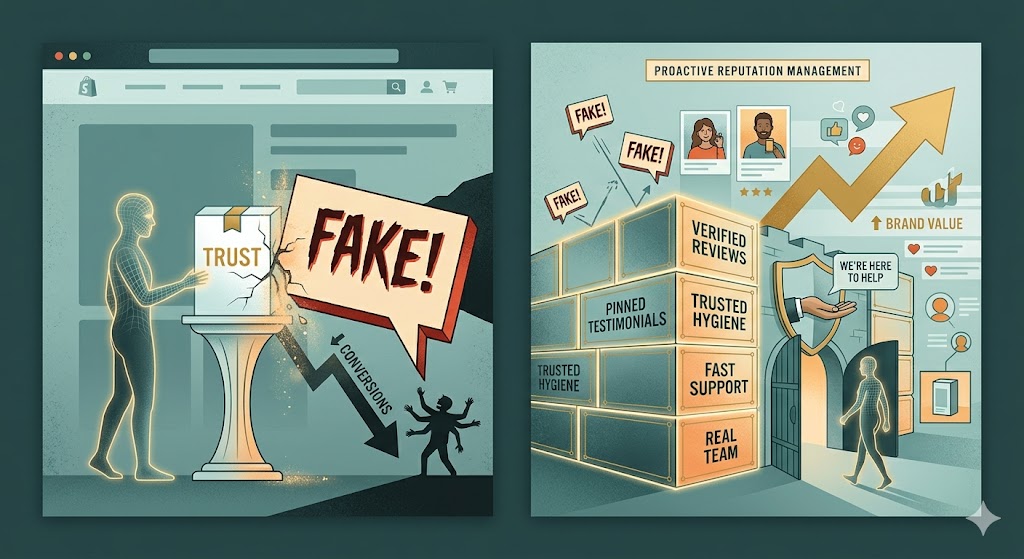
a skincare brand experienced a sudden drop in conversions after negative comments appeared under its Instagram advertisement accusing the business of being a scam.
What made the situation more confusing was that the person leaving the comments could not be matched to any real customer order. This led many people to suspect:
- Fake accounts
- Competitor attacks
- Automated spam activity
- Troll behavior
Despite the uncertainty, the damage was immediate.
The ad stopped converting for nearly 48 hours.
This situation reveals an important reality of modern eCommerce:
customer perception can change instantly based on public interactions.
Let’s explore why this happens, how platform algorithms react, and what businesses should do to protect their advertising performance and brand trust.
Why Negative Comments Impact Sales So Quickly
Consumers today are highly cautious online.
When people discover a new brand through advertisements, they immediately look for signals that answer:
- Is this business trustworthy?
- Are the products legitimate?
- Have other customers had good experiences?
- Is this brand safe to buy from?
Comments become part of the buying decision.
Even a single public accusation such as:
- “This is a scam”
- “Fake brand”
- “Never received my order”
can instantly create doubt.
Most users do not investigate deeply.
They simply move on to another brand.
This is especially true in skincare, where trust is critical because customers are applying products directly to their skin and health.
The Psychology Behind Social Proof
One reason comments matter so much is because of social proof.
People naturally rely on the opinions of others when making purchasing decisions.
If an advertisement has:
- Positive reviews
- Happy customer comments
- Product testimonials
- Engagement from real users
the brand feels safer and more credible.
But negative comments reverse that effect.
Even if the accusation is false, viewers often think:
“Where there’s smoke, there’s fire.”
This hesitation alone can reduce conversions dramatically.
Why Skincare Brands Are Especially Vulnerable
Some industries are more sensitive to trust issues than others.
Skincare brands face additional challenges because customers worry about:
- Product safety
- Skin reactions
- Ingredient quality
- Authenticity
- Hygiene standards
Consumers are already cautious before purchasing skincare online.
A public scam accusation amplifies that fear immediately.
This means even fake comments can damage:
- Conversion rates
- Brand reputation
- Ad performance
- Customer confidence
much faster than in less emotionally sensitive industries.
Fake Comments and Competitor Sabotage
One important point raised in the discussion is that the commenter could not be linked to any actual customer order.
This is significant.
In many cases, negative ad comments come from:
- Competitors
- Troll accounts
- Automated spam bots
- Fake profiles
- People seeking attention
As online advertising becomes more competitive, some businesses experience deliberate sabotage attempts designed to reduce trust and hurt campaign performance.
This does not always mean a coordinated attack exists, but fake engagement is a growing reality on social platforms.
Why Ad Performance Suddenly Drops
The most alarming part of the situation was not only the comments themselves —
it was the sudden drop in conversions afterward.
This likely happened for two reasons:
1. Customer Trust Declined
Potential buyers saw the accusations and became hesitant.
Even if they were interested initially, uncertainty prevented them from completing the purchase.
Trust hesitation directly reduces conversion rates.
2. Platform Algorithms React to Negative Engagement
Social advertising systems monitor engagement quality carefully.
When advertisements receive:
- Negative reactions
- Spam reports
- Hostile discussions
- Suspicious engagement
the system may reduce ad delivery automatically.
This happens because platforms prioritize:
- Positive user experiences
- Engagement quality
- Community safety signals
If an ad generates problematic interaction, the algorithm may:
- Reduce reach
- Increase advertising costs
- Limit impressions
- Slow delivery performance
This is particularly common in sensitive industries like beauty and skincare.
Why Calm Responses Matter
One of the best suggestions discussed was to respond calmly and professionally once publicly.
For example:
“We’re sorry to hear this. Please send us your order number or email via direct message so we can assist you.”
This type of response accomplishes several things:
- Shows professionalism
- Signals transparency
- Demonstrates customer support willingness
- Reduces suspicion from viewers
Most importantly, it protects brand credibility.
Even if the comment is fake, the public response matters more than winning the argument.
Why Businesses Should Avoid Public Arguments
One major mistake brands make is emotionally reacting to negative comments.
Aggressive replies often:
- Escalate conflict
- Create more visibility for negativity
- Damage professionalism
- Make the business appear defensive
Potential customers are watching silently.
They judge:
- Tone
- Maturity
- Customer handling ability
A calm, short, professional response is usually the safest approach.
Hiding vs Deleting Comments
Another important recommendation was to hide comments instead of deleting them whenever possible.
This strategy matters because:
Deleting Comments
- Can trigger further attacks
- May encourage more spam
- Sometimes alerts the commenter
- Can appear suspicious if noticed publicly
Hiding Comments
- Removes public visibility
- Reduces damage quietly
- Avoids unnecessary escalation
- Maintains cleaner ad presentation
From a brand protection perspective, hiding is often the smarter moderation strategy.
Why Moderation Has Become Essential
Many small businesses treat comment moderation casually.
But in modern social commerce, moderation is part of conversion optimization.
A poorly moderated advertisement can:
- Lose customer trust
- Attract spam
- Create negative brand perception
- Reduce algorithmic performance
Brands must actively manage:
- Spam
- Fake accusations
- Toxic discussions
- Scam comments
- Offensive language
Comment sections now directly impact sales performance.
The Importance of Positive Social Proof
One suggestion in the discussion was to pin positive customer testimonials.
This is extremely effective.
When visitors see:
- Real customer photos
- Positive experiences
- Verified reviews
- Product success stories
negative comments lose influence.
Positive social proof acts as reputation protection.
It reassures potential buyers that:
- Real customers exist
- Orders are fulfilled
- Products are trusted
- The business is legitimate
Strong positive engagement can neutralize isolated negativity.
Why Smaller Brands Are More Vulnerable
Established brands usually survive negative comments more easily because they already have:
- Brand recognition
- Existing trust
- Large customer bases
- Strong reputation history
Smaller brands do not have that protection yet.
For newer businesses:
- One negative thread can dominate perception
- Social proof is still developing
- Trust is fragile
This is why moderation and customer communication become even more important for growing brands.
Building Trust Before Problems Happen
The best defense against fake accusations is strong trust-building before issues arise.
Brands should consistently display:
- Customer reviews
- Shipping transparency
- Refund policies
- Product details
- FAQ sections
- Real customer content
- Visible support channels
When trust signals are already strong, random negative comments become less damaging.
Why Conversion Problems Are Often Psychological
Many businesses think conversion issues are always technical.
But often the problem is emotional.
Customers buy when they feel:
- Safe
- Confident
- Reassured
- Certain
Negative comments attack emotional confidence directly.
Even if:
- The website is excellent
- The product is strong
- The pricing is fair
fear and uncertainty can stop purchases instantly.
The Operational Side of Ad Recovery
One recommendation suggested duplicating and relaunching the advertisement if performance remains suppressed.
This strategy is sometimes used because advertising systems may continue associating an existing ad with:
- Negative engagement history
- Poor interaction quality
- Reduced delivery signals
Launching a fresh version can sometimes reset performance momentum.
However, long-term success still depends on fixing trust perception first.
Why Reputation Management Is Now Part of Marketing
Modern advertising is no longer only about:
- Creative design
- Targeting
- Budget optimization
It also involves:
- Community management
- Reputation control
- Public communication
- Social trust building
Brands that ignore these areas often struggle with long-term advertising efficiency.
Customer Trust Is the Real Conversion Driver
At the center of this entire situation is one truth:
people buy from brands they trust.
Everything else —
ads, visuals, offers, targeting —
works only after trust exists.
When trust weakens:
- Clicks may continue
- Traffic may continue
- But conversions fall
Because people hesitate at the final decision point.
Final Thought
The skincare brand’s experience demonstrates how fragile online trust can be.
A single public accusation —
even from an unverified or fake account —
can affect:
- Customer confidence
- Advertising performance
- Conversion rates
- Brand reputation
This does not mean businesses should panic over every negative comment.
But it does mean they must treat public engagement seriously.
Professional moderation, calm communication, positive social proof, and consistent trust-building are now essential parts of successful online advertising.
Conclusion
Negative comments on social media advertisements can significantly impact conversion performance, especially in trust-sensitive industries like skincare.
Even when accusations come from fake accounts or competitors, public perception changes quickly. Customers rely heavily on social proof when deciding whether to trust a brand.
The most effective approach is not emotional reaction but structured moderation:
- Respond professionally
- Request order verification
- Hide harmful comments when necessary
- Strengthen positive customer visibility
- Maintain strong trust signals across the brand
In today’s digital marketplace, advertising success is no longer determined only by reach or targeting.
It is determined by trust.
And trust can influence conversions faster than almost anything else online.
How Negative Instagram Ad Comments Can Destroy Conversions — And What Businesses Should Do About It
Published by Chan Sai on
Running paid advertising on social media can be one of the fastest ways for brands to grow visibility, traffic, and sales. For many small businesses, especially in industries like skincare, fashion, beauty, and wellness, social platforms are often the primary source of customer acquisition.
However, social advertising comes with a challenge that many brands underestimate:
public comments.
Unlike traditional advertising, social media ads are interactive. People can comment, react, share opinions, and influence how others perceive a business in real time. This creates both opportunity and risk.
The situation discussed here highlights a common but serious problem:
a skincare brand experienced a sudden drop in conversions after negative comments appeared under its Instagram advertisement accusing the business of being a scam.
What made the situation more confusing was that the person leaving the comments could not be matched to any real customer order. This led many people to suspect:
Despite the uncertainty, the damage was immediate.
The ad stopped converting for nearly 48 hours.
This situation reveals an important reality of modern eCommerce:
customer perception can change instantly based on public interactions.
Let’s explore why this happens, how platform algorithms react, and what businesses should do to protect their advertising performance and brand trust.
Why Negative Comments Impact Sales So Quickly
Consumers today are highly cautious online.
When people discover a new brand through advertisements, they immediately look for signals that answer:
Comments become part of the buying decision.
Even a single public accusation such as:
can instantly create doubt.
Most users do not investigate deeply.
They simply move on to another brand.
This is especially true in skincare, where trust is critical because customers are applying products directly to their skin and health.
The Psychology Behind Social Proof
One reason comments matter so much is because of social proof.
People naturally rely on the opinions of others when making purchasing decisions.
If an advertisement has:
the brand feels safer and more credible.
But negative comments reverse that effect.
Even if the accusation is false, viewers often think:
“Where there’s smoke, there’s fire.”
This hesitation alone can reduce conversions dramatically.
Why Skincare Brands Are Especially Vulnerable
Some industries are more sensitive to trust issues than others.
Skincare brands face additional challenges because customers worry about:
Consumers are already cautious before purchasing skincare online.
A public scam accusation amplifies that fear immediately.
This means even fake comments can damage:
much faster than in less emotionally sensitive industries.
Fake Comments and Competitor Sabotage
One important point raised in the discussion is that the commenter could not be linked to any actual customer order.
This is significant.
In many cases, negative ad comments come from:
As online advertising becomes more competitive, some businesses experience deliberate sabotage attempts designed to reduce trust and hurt campaign performance.
This does not always mean a coordinated attack exists, but fake engagement is a growing reality on social platforms.
Why Ad Performance Suddenly Drops
The most alarming part of the situation was not only the comments themselves —
it was the sudden drop in conversions afterward.
This likely happened for two reasons:
1. Customer Trust Declined
Potential buyers saw the accusations and became hesitant.
Even if they were interested initially, uncertainty prevented them from completing the purchase.
Trust hesitation directly reduces conversion rates.
2. Platform Algorithms React to Negative Engagement
Social advertising systems monitor engagement quality carefully.
When advertisements receive:
the system may reduce ad delivery automatically.
This happens because platforms prioritize:
If an ad generates problematic interaction, the algorithm may:
This is particularly common in sensitive industries like beauty and skincare.
Why Calm Responses Matter
One of the best suggestions discussed was to respond calmly and professionally once publicly.
For example:
“We’re sorry to hear this. Please send us your order number or email via direct message so we can assist you.”
This type of response accomplishes several things:
Most importantly, it protects brand credibility.
Even if the comment is fake, the public response matters more than winning the argument.
Why Businesses Should Avoid Public Arguments
One major mistake brands make is emotionally reacting to negative comments.
Aggressive replies often:
Potential customers are watching silently.
They judge:
A calm, short, professional response is usually the safest approach.
Hiding vs Deleting Comments
Another important recommendation was to hide comments instead of deleting them whenever possible.
This strategy matters because:
Deleting Comments
Hiding Comments
From a brand protection perspective, hiding is often the smarter moderation strategy.
Why Moderation Has Become Essential
Many small businesses treat comment moderation casually.
But in modern social commerce, moderation is part of conversion optimization.
A poorly moderated advertisement can:
Brands must actively manage:
Comment sections now directly impact sales performance.
The Importance of Positive Social Proof
One suggestion in the discussion was to pin positive customer testimonials.
This is extremely effective.
When visitors see:
negative comments lose influence.
Positive social proof acts as reputation protection.
It reassures potential buyers that:
Strong positive engagement can neutralize isolated negativity.
Why Smaller Brands Are More Vulnerable
Established brands usually survive negative comments more easily because they already have:
Smaller brands do not have that protection yet.
For newer businesses:
This is why moderation and customer communication become even more important for growing brands.
Building Trust Before Problems Happen
The best defense against fake accusations is strong trust-building before issues arise.
Brands should consistently display:
When trust signals are already strong, random negative comments become less damaging.
Why Conversion Problems Are Often Psychological
Many businesses think conversion issues are always technical.
But often the problem is emotional.
Customers buy when they feel:
Negative comments attack emotional confidence directly.
Even if:
fear and uncertainty can stop purchases instantly.
The Operational Side of Ad Recovery
One recommendation suggested duplicating and relaunching the advertisement if performance remains suppressed.
This strategy is sometimes used because advertising systems may continue associating an existing ad with:
Launching a fresh version can sometimes reset performance momentum.
However, long-term success still depends on fixing trust perception first.
Why Reputation Management Is Now Part of Marketing
Modern advertising is no longer only about:
It also involves:
Brands that ignore these areas often struggle with long-term advertising efficiency.
Customer Trust Is the Real Conversion Driver
At the center of this entire situation is one truth:
people buy from brands they trust.
Everything else —
ads, visuals, offers, targeting —
works only after trust exists.
When trust weakens:
Because people hesitate at the final decision point.
Final Thought
The skincare brand’s experience demonstrates how fragile online trust can be.
A single public accusation —
even from an unverified or fake account —
can affect:
This does not mean businesses should panic over every negative comment.
But it does mean they must treat public engagement seriously.
Professional moderation, calm communication, positive social proof, and consistent trust-building are now essential parts of successful online advertising.
Conclusion
Negative comments on social media advertisements can significantly impact conversion performance, especially in trust-sensitive industries like skincare.
Even when accusations come from fake accounts or competitors, public perception changes quickly. Customers rely heavily on social proof when deciding whether to trust a brand.
The most effective approach is not emotional reaction but structured moderation:
In today’s digital marketplace, advertising success is no longer determined only by reach or targeting.
It is determined by trust.
And trust can influence conversions faster than almost anything else online.
Related Posts
How to Use Social Proof on Product Pages to Improve Ecommerce Conversions
Introduction When customers visit an online store, they cannot physically touch a product, examine its quality, or speak directly with a salesperson. They must make purchasing decisions based on the information presented on the website. Read more…
How to Build a Combined B2B and B2C Ecommerce Website With Multiple Vendors
Building an ecommerce website that supports both business customers and individual consumers can be significantly more complicated than creating a standard online store. A traditional B2C store usually has one business selling products directly to Read more…
How to Find Other Retailers for Cross-Selling and Partnership Opportunities
For many Shopify retailers, growth does not always have to come from advertising, search traffic, or adding more products to their own store. Another powerful growth opportunity is collaboration with other retailers that sell complementary Read more…