Starting a dropshipping business from home is one of the most popular ways to enter eCommerce because it allows people to sell products online without managing physical inventory themselves. Instead of purchasing large amounts of stock upfront, the store owner works with suppliers or merchants who handle storage, packaging, and shipping directly to customers.
However, one of the most important parts of building a successful dropshipping business is not just finding products — it is building strong relationships with reliable merchants and suppliers.
Many beginners focus only on creating a website or adding products, but the real foundation of a sustainable dropshipping business is supplier trust, communication, and long-term cooperation.
The question is:
How do you actually establish relationships with dropshipping merchants?
The answer involves research, communication, professionalism, trust-building, and consistency. It is not simply about asking someone to ship products for you. It is about creating a business relationship where both sides benefit and grow together.
Let’s understand this properly.
Understanding What Dropshipping Merchants Actually Want
Before contacting suppliers, it is important to understand their perspective.
Most merchants and suppliers receive many messages from beginners asking:
- “Can I sell your products?”
- “Do you offer dropshipping?”
- “Can you give me wholesale pricing?”
The problem is that many of these inquiries are not serious businesses. Some people never launch their store, never make sales, or disappear after a few weeks.
Because of this, merchants prefer working with people who appear:
- Professional
- Serious
- Organized
- Long-term focused
This means the first impression matters a lot.
Even if you are just starting from home, you should communicate like a real business owner.
Start With Research Before Contacting Anyone
One of the biggest mistakes beginners make is contacting suppliers without proper research.
Before approaching merchants, you should understand:
- What products you want to sell
- Which market you are targeting
- Which countries you want to ship to
- Your niche or category focus
For example:
A store focused on fitness accessories will need different suppliers than a store focused on beauty products or electronics.
When you approach suppliers with clarity, conversations become much more professional.
Choose a Specific Product Niche
Suppliers prefer focused stores rather than random general stores.
Instead of selling:
- Electronics
- Pet products
- Fashion
- Kitchen tools
all together,
it is better to focus on one category first.
Examples:
- Home decor
- Fitness gear
- Mobile accessories
- Pet supplies
- Beauty products
A niche store feels more trustworthy and easier for suppliers to understand.
It also helps you build better long-term relationships because merchants know exactly what type of customer you are targeting.
Where Most Supplier Relationships Begin
Most dropshipping relationships begin through:
- Wholesale marketplaces
- Industry directories
- Trade communities
- Social media networking
- Manufacturer websites
- Business referrals
The goal is to find merchants already experienced in fulfillment and online selling.
Not every supplier is suitable for dropshipping.
Some only work with large wholesale orders, while others specialize in supporting smaller online sellers.
The First Contact Is Very Important
When reaching out to a merchant for the first time, avoid sounding unprepared or overly casual.
Bad example:
“Hi can I dropship your products?”
Professional example:
“Hello, I’m building an online store in the home accessories niche and I’m interested in learning whether you support dropshipping partnerships. I’d love to understand your shipping process, product availability, and pricing structure.”
This sounds more serious and business-oriented.
Professional communication increases response quality immediately.
Ask the Right Questions
Once communication begins, your goal is not just getting approval.
You need to evaluate whether the supplier is reliable.
Important questions include:
- Do you support dropshipping?
- What countries do you ship to?
- What are your shipping times?
- How often is inventory updated?
- Do you provide tracking information?
- What happens if products arrive damaged?
- Do you allow branded packaging?
- What are your return policies?
These questions help you understand whether the supplier can support long-term growth.
Trust Is Built Through Consistency
Supplier relationships do not become strong overnight.
Trust develops gradually through:
- Consistent communication
- Reliable payments
- Professional behavior
- Regular order flow
At the beginning, suppliers may treat you like a small or unproven seller.
That is normal.
As your store grows and orders increase, suppliers usually become more cooperative and responsive.
Many long-term eCommerce businesses started with very small supplier relationships that grew over time.
Why Communication Is More Important Than Price
Many beginners focus only on finding the cheapest supplier.
That can become a major mistake.
A slightly more expensive supplier with:
- Better communication
- Faster responses
- Reliable fulfillment
- Consistent quality
is often far more valuable than the cheapest option.
Poor communication creates:
- Delayed orders
- Customer complaints
- Refund issues
- Reputation damage
Reliable communication protects your business.
Always Test the Supplier First
Never fully trust a supplier without testing them.
Before adding products to your store:
- Order samples
- Check product quality
- Test shipping speed
- Evaluate packaging
- Review tracking accuracy
This step is extremely important because your customers will judge your store based on the supplier’s performance.
Even if you never touch the product physically, customers still hold your brand responsible.
Build Relationships Like Partnerships
The best supplier relationships feel like partnerships rather than transactions.
Instead of treating merchants like temporary vendors:
- Communicate respectfully
- Share future business plans
- Be transparent about expectations
- Maintain professionalism
Suppliers are more likely to prioritize sellers they trust and respect.
Over time, strong relationships may lead to:
- Better pricing
- Faster support
- Early product access
- Priority fulfillment
- Flexible arrangements
Relationship quality often becomes a competitive advantage.
Reliability Matters More Than Perfection
No supplier is perfect.
Even strong merchants experience:
- Delays
- Inventory shortages
- Shipping problems
What matters most is how they handle problems.
A reliable supplier communicates issues quickly and works toward solutions.
That is far more valuable than unrealistic promises.
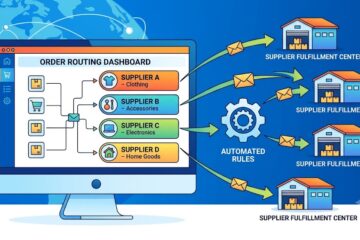
Avoid Depending on One Supplier Forever
Many beginners start with one supplier because it simplifies operations.
That is fine in the early stage.
But over time, relying completely on one source creates risk.
If the supplier:
- Runs out of stock
- Delays shipments
- Changes pricing
- Stops responding
your business suffers immediately.
As your store grows, it is smart to gradually develop backup supplier relationships.
This creates stability and protects your operations.
Product Quality Directly Affects Your Brand
In dropshipping, your brand reputation depends heavily on supplier quality.
Even if your marketing is excellent, poor products create:
- Refunds
- Negative reviews
- Chargebacks
- Customer distrust
This is why supplier selection should focus on:
- Consistency
- Product standards
- Packaging quality
- Shipping reliability
Good products build repeat customers.
Bad products destroy trust quickly.
Learn Basic Business Etiquette
Professionalism matters even in small online businesses.
Simple habits improve supplier relationships:
- Respond politely
- Avoid aggressive negotiation early
- Pay on time
- Confirm details clearly
- Keep communication organized
Suppliers prefer working with people who make operations smooth and predictable.
Long-Term Thinking Creates Better Results
Many beginners treat dropshipping like a quick-money business.
That mindset usually leads to weak supplier relationships and unstable growth.
The strongest businesses approach dropshipping like a real brand:
- Focus on customer experience
- Build trust
- Improve product selection
- Develop supplier partnerships
Long-term thinking changes how suppliers perceive you.
Serious businesses receive better cooperation.
Why Some Supplier Relationships Fail
Common reasons include:
- Poor communication
- Unrealistic expectations
- Constant price pressure
- Inconsistent orders
- Lack of professionalism
Sometimes beginners blame suppliers when the real issue is weak business planning.
Healthy relationships require effort from both sides.
Building Confidence as a Beginner
Many new entrepreneurs feel nervous contacting merchants because they are just starting.
That is completely normal.
Remember:
Every successful eCommerce business started as a beginner operation.
You do not need a huge company to build supplier relationships.
You simply need:
- Clear communication
- Professional behavior
- Consistency
- A willingness to learn
Confidence grows with experience.
Focus on Customer Experience First
The purpose of supplier relationships is not only operational efficiency.
It is customer satisfaction.
Strong supplier partnerships help you deliver:
- Faster shipping
- Better products
- Reliable tracking
- Positive buying experiences
That leads to:
- Better reviews
- Repeat customers
- Long-term growth
The customer experience always comes first.
Final Thought
Building relationships with dropshipping merchants is not about sending one message and getting instant approval.
It is a gradual process based on:
- Trust
- Communication
- Reliability
- Professionalism
The strongest supplier relationships often become one of the biggest advantages in eCommerce.
Because while many stores can sell similar products, not every store has reliable partners supporting its operations behind the scenes.
Conclusion
Starting a dropshipping business from home can be an exciting opportunity, but success depends heavily on the quality of your supplier relationships.
The best approach is to:
- Research carefully
- Choose a focused niche
- Communicate professionally
- Test suppliers properly
- Build long-term partnerships
Strong merchant relationships create stability, improve customer experience, and help your business grow more sustainably over time.
Because in dropshipping, suppliers are not just shipping products —
They are helping deliver your brand’s reputation to every customer.