The Product Development & Sourcing category serves as a dedicated hub for entrepreneurs, business owners, and eCommerce enthusiasts who are navigating the complete product lifecycle—from the earliest stages of idea generation to the final step of having fully stocked inventory ready for sale.
In today’s highly competitive business environment, success is no longer determined by luck or random product selection. Instead, it is the result of a structured and strategic approach that combines research, validation, sourcing, and continuous improvement. This category is designed to guide individuals through that journey by providing insights, discussions, and practical knowledge that can be applied at every stage of product creation.
Whether you are a beginner exploring your first product idea or an experienced seller looking to optimize your sourcing strategy, this space offers valuable resources to support your growth and decision-making process.
Understanding the Complete Product Lifecycle
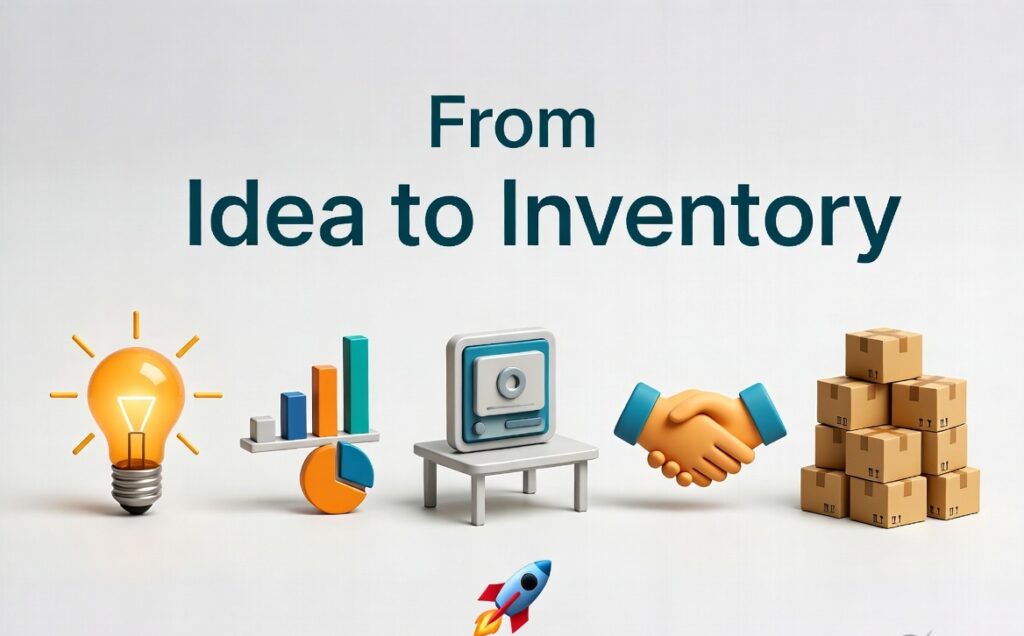
The journey from concept to inventory involves multiple interconnected stages. Each stage plays a critical role in determining the success or failure of a product in the market.
1. Idea Generation
Every product begins with an idea. This could be inspired by a personal need, a gap in the market, or an improvement to an existing product. However, not all ideas are viable. The challenge lies in identifying ideas that have real potential for success.
2. Market Research and Validation
Once an idea is formed, it must be validated. This involves understanding:
- Customer needs and preferences
- Market demand
- Competition and pricing
Validation helps reduce risk by ensuring that the product has a genuine audience before significant resources are invested.
3. Product Development
After validation, the idea is transformed into a tangible product. This stage includes:
- Designing the product
- Selecting materials
- Creating prototypes
- Testing functionality and usability
Product development is not just about creating something new—it is about creating something better.
4. Supplier Sourcing
Finding the right supplier is one of the most critical steps in the process. A reliable supplier ensures:
- Consistent product quality
- Timely delivery
- Scalable production
Poor supplier choices can lead to delays, quality issues, and customer dissatisfaction.
5. Inventory Management
Once production begins, managing inventory effectively becomes essential. This includes:
- Tracking stock levels
- Planning reorders
- Avoiding overstocking or stockouts
Efficient inventory management ensures smooth operations and supports business growth.
Primary Focus Areas of the Category
This category is structured around three key pillars that are essential for building a successful product-based business.
1. Identifying Profitable Product Opportunities
One of the biggest challenges entrepreneurs face is selecting the right product to sell. A profitable product is not just something that looks appealing—it must meet specific criteria.
Characteristics of a Profitable Product:
- Solves a real problem
- Has consistent demand
- Offers room for differentiation
- Aligns with target audience needs
Strategies for Finding Opportunities:
Market Analysis
Study trends, customer behavior, and popular product categories to identify gaps in the market.
Problem-Solution Approach
Focus on problems that people face in their daily lives. Products that provide solutions are more likely to succeed.
Competitor Research
Analyze existing products to understand what works and where improvements can be made.
Importance of Validation
Before committing to a product, it is essential to validate the idea through:
- Customer feedback
- Small-scale testing
- Demand analysis
Validation helps minimize risks and increases the likelihood of success.
2. Sourcing Trustworthy Suppliers and Manufacturers
Supplier selection is a foundational element of any product-based business. The quality of your supplier directly impacts your product, brand reputation, and customer satisfaction.
Types of Suppliers:
- Manufacturers (produce the product)
- Wholesalers (buy in bulk and resell)
- Dropshipping suppliers (ship directly to customers)
Key Factors to Consider:
Product Quality
Ensure that the supplier can consistently deliver high-quality products.
Pricing and Margins
Evaluate costs to maintain profitability.
Communication
Responsive and clear communication is essential for smooth operations.
Delivery Time
Reliable shipping timelines are crucial for customer satisfaction.
Reputation
Check reviews, ratings, and past performance.
Building Strong Supplier Relationships
A good relationship with your supplier can lead to:
- Better pricing
- Priority production
- Faster issue resolution
Treating suppliers as long-term partners rather than short-term vendors can significantly improve your business outcomes.
3. Mastering Product Development Processes
Product development is where ideas are refined into market-ready products. This stage requires attention to detail, creativity, and a focus on customer experience.
Key Aspects of Product Development:
Design and Functionality
Ensure the product is both visually appealing and practical to use.
Quality Improvement
Enhance durability, usability, and performance.
Packaging and Branding
Presentation plays a major role in customer perception.
Continuous Improvement
Successful products are rarely perfect from the start. Continuous improvement based on customer feedback and market trends is essential for long-term success.
Goal of the Category
The primary goal of this category is to help members discover, develop, and launch their next bestselling product.
This is achieved through:
- Sharing practical knowledge
- Discussing real-world challenges
- Providing actionable insights
- Encouraging collaboration and learning
By leveraging the collective experience of the community, members can make better decisions, avoid common mistakes, and accelerate their growth.
The Importance of Shared Knowledge
One of the most valuable aspects of this category is the opportunity to learn from others.
Participants can:
- Share their experiences
- Ask questions
- Provide feedback
- Learn from successes and failures
This collaborative environment helps entrepreneurs gain insights that would otherwise take years to acquire individually.
Navigating Challenges in Product Development & Sourcing
Every stage of the product lifecycle comes with its own challenges.
Common Challenges:
- Finding reliable suppliers
- Maintaining consistent quality
- Managing inventory effectively
- Handling supply chain disruptions
- Balancing cost and quality
Overcoming These Challenges:
- Conduct thorough research
- Build strong relationships
- Use data to make decisions
- Stay adaptable to market changes
By addressing these challenges proactively, businesses can operate more efficiently and reduce risks.
Best Practices for Success
To succeed in product development and sourcing, consider the following best practices:
Start Small and Scale Gradually
Avoid large initial investments. Test your product and scale based on demand.
Focus on Quality
High-quality products lead to satisfied customers and repeat business.
Use Data-Driven Decisions
Analyze sales data, customer feedback, and market trends to guide your strategy.
Stay Flexible
Be prepared to adapt your approach based on changing market conditions.
Invest in Relationships
Strong relationships with suppliers and partners can provide long-term benefits.
Community Guidelines and Engagement
To maintain a positive and productive environment, participants are encouraged to follow community guidelines when engaging in discussions.
Key Principles:
- Be respectful and professional
- Share genuine and helpful insights
- Avoid spam or self-promotion
- Encourage constructive discussions
Why Guidelines Matter
Following these guidelines ensures that the community remains a valuable resource for everyone. It promotes trust, collaboration, and meaningful interactions.
Final Thoughts
The journey from product idea to stocked inventory is a complex but rewarding process. It requires careful planning, continuous learning, and strategic execution.
This category is designed to support entrepreneurs at every stage of that journey. By focusing on identifying profitable opportunities, sourcing reliable suppliers, and mastering product development processes, members can build products that stand out in the market.
Success does not happen overnight. It is the result of consistent effort, informed decisions, and a willingness to learn and adapt.
Conclusion
The Product Development & Sourcing category is more than just a discussion space—it is a comprehensive resource for anyone looking to succeed in product-based businesses.
From discovering innovative ideas to managing inventory effectively, this category provides the tools, insights, and community support needed to turn concepts into successful products.
From idea to inventory—find winning products, reliable suppliers, and master the art of product creation. Your next bestseller starts here. 🚀