For online retailers, finding the right business partners can be just as valuable as finding new customers. A strong partnership can help a store reach a relevant audience, improve product discovery, increase sales opportunities, and create a better shopping experience for customers. This is especially true in focused product categories such as maternity, baby products, parenting essentials, nursery items, and family lifestyle goods.
The discussion centers on a retailer selling maternity and baby products who wants to connect with other merchants for cross-selling and promotional partnerships. The goal is to find businesses that serve a similar customer base but sell different, complementary products. For example, a maternity clothing store may want to work with a business selling baby blankets, nursing products, newborn accessories, nursery décor, or baby gift items.
The main challenge is that there is no public directory that allows merchants to easily search for other retailers using the same partnership system. This creates a discovery problem. Retailers may know that many suitable businesses exist, but they may not know how to find them, contact them, or determine whether they are open to collaboration.
The discussion suggests several practical ways to solve this problem. These include joining ecommerce communities, using social media research, searching niche-related hashtags, exploring product discovery sections, and directly contacting compatible brands. Although no final partnership is confirmed, the discussion provides useful insight into how retailers can build connections even when there is no official directory available.
Why Retailer Partnerships Are Valuable
Retailer partnerships can help businesses grow without depending entirely on paid advertising. Advertising can be effective, but it can also be expensive, competitive, and unpredictable. A partnership with another relevant retailer can introduce a business to customers who already have an interest in related products.
For example, a customer shopping for maternity clothing may also need products such as:
- Nursing bras
- Pregnancy pillows
- Baby blankets
- Newborn clothing
- Baby skincare products
- Nursery accessories
- Postpartum recovery products
- Baby shower gifts
Instead of trying to sell every type of product, a retailer can partner with other businesses that already specialize in related categories. This creates a more complete customer experience while allowing each business to focus on its own strengths.
Partnerships can support several business goals:
- Reaching new audiences
- Increasing customer trust
- Improving product recommendations
- Raising average order value
- Creating bundles or gift sets
- Building stronger brand awareness
- Reducing marketing costs
For smaller retailers, partnerships can be especially useful because they provide access to audiences that may otherwise require a large advertising budget.
The Importance of Complementary Products
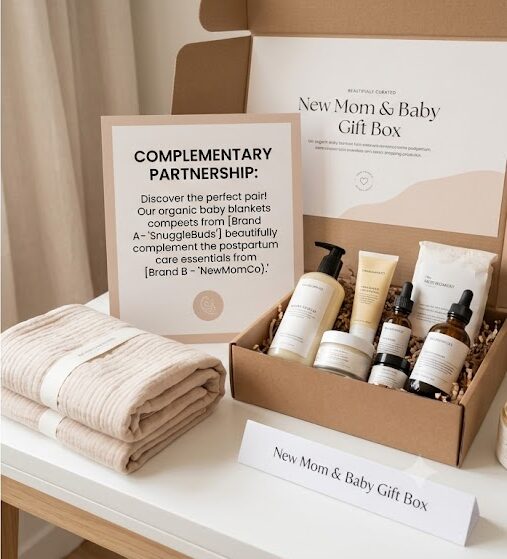
The best partnerships usually involve complementary products rather than identical products.
For example, two maternity clothing brands may compete directly with each other. However, a maternity clothing brand and a baby accessories brand may serve the same audience without competing for the same sale.
This is an important distinction.
A good partnership should create value for both businesses. Each retailer should be able to introduce useful products to its customers without weakening its own product offering.
For maternity and baby retailers, possible complementary partnerships may include:
- Maternity fashion and nursing products
- Baby clothing and nursery décor
- Pregnancy wellness products and postpartum care items
- Baby gift boxes and handmade baby accessories
- Parenting journals and family lifestyle products
- Baby skincare and organic clothing brands
The more naturally the products fit together, the easier it becomes to promote them.
Why Finding Partners Can Be Difficult
The main issue in the discussion is the lack of a public retailer directory.
A public directory could make it easy to search for merchants by product category, country, audience type, or partnership interest. However, many ecommerce platforms avoid offering this type of directory because of privacy concerns.
Some merchants may not want competitors to see their supplier relationships, product sources, sales focus, or partnership activity. Others may want to control how their business information is shared.
While privacy protection is important, it creates a challenge for retailers who are actively looking for partnerships.
Without a directory, merchants must use other methods to discover suitable businesses. This requires more effort, but it can also lead to stronger and more intentional relationships.
Networking Through Ecommerce Communities
One of the most practical ways to find potential partners is through ecommerce communities.
Online communities often include merchants, store owners, brand founders, product creators, and marketing professionals. These groups can be useful because members are already interested in growing their businesses and connecting with others in similar industries.
Retailers can join communities focused on:
- Ecommerce businesses
- Parenting brands
- Women-owned businesses
- Baby product sellers
- Small business owners
- Product sourcing
- Online retail partnerships
- Family lifestyle brands
Within these communities, retailers can introduce their business, explain the type of partnership they are looking for, and connect with other merchants.
However, it is important to be clear and specific. A vague post asking for “business partners” may attract irrelevant responses. A more focused post should explain the niche, audience, and type of collaboration being considered.
For example, a retailer could say that they are looking for non-competing maternity, newborn, or baby product brands interested in cross-selling, bundle offers, or shared promotions.
This makes it easier for relevant businesses to respond.
Using Social Media for Retailer Discovery
Social media can be a powerful research tool for finding brands.
Many small and medium-sized retailers use social media to promote their products, share customer feedback, announce new launches, and build communities around their brands.
A maternity or baby retailer can search for relevant terms and hashtags to discover businesses in similar categories. Useful searches may include topics related to baby products, maternity products, parenting, newborn essentials, nursery décor, baby gifts, and family lifestyle products.
When researching a potential partner, retailers should review:
- Product range
- Brand style
- Customer engagement
- Shipping location
- Reviews and comments
- Pricing level
- Product quality
- Brand values
This helps determine whether the business is a good fit.
For example, a premium maternity clothing brand may prefer to partner with a premium baby gift company rather than a discount-focused retailer. The customer experience should feel consistent across both brands.
Searching Through Relevant Hashtags
Hashtags can help retailers find niche businesses that may not appear in general search results.
A retailer can search for hashtags related to:
- Maternity products
- Baby brands
- Parenting businesses
- Newborn products
- Baby gifts
- Small business owners
- Women entrepreneurs
- Ecommerce sellers
Hashtags can reveal product creators, independent brands, local retailers, and online stores.
This method is especially useful for finding smaller brands that may be open to collaboration. Larger businesses may have formal partnership departments, but smaller brands are often more flexible and willing to explore creative opportunities.
Direct Outreach to Compatible Brands
Direct outreach remains one of the most effective ways to build partnerships.
Instead of waiting for a suitable retailer to find them, a business owner can research compatible brands and send a short, professional message.
The message should not feel like a generic sales pitch. It should explain why the partnership could be useful for both businesses.
A good outreach message may include:
- A short introduction to the business
- The type of products sold
- The customer audience
- Why the brands are compatible
- A simple partnership idea
- An invitation to discuss possibilities
For example, a maternity retailer could contact a baby accessories brand and explain that both businesses serve expecting and new parents. The retailer could suggest a cross-promotion, bundle offer, email feature, or social media collaboration.
The key is to focus on mutual value.
Building Trust Before Partnership
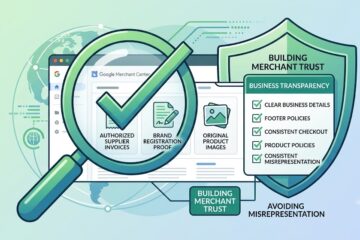
Before promoting another retailer, businesses should take time to evaluate the potential partner.
A partnership can affect customer trust. If a retailer recommends a poor-quality product or unreliable brand, customers may associate that negative experience with both businesses.
Before agreeing to a partnership, retailers should review:
- Product quality
- Customer reviews
- Shipping times
- Return policies
- Website presentation
- Brand communication
- Social media activity
- Customer service standards
A good partnership should protect both brands.
It is better to work with a smaller but reliable business than a larger business with poor reviews or inconsistent service.
The Value of Product Discovery Features
The discussion mentions using product discovery features within the partnership system.
These features may recommend products that match a retailer’s niche or store category. While they may not provide a full directory of merchants, they can help retailers discover relevant products and brands.
For a maternity and baby retailer, searching related categories may reveal products such as:
- Baby clothing
- Nursing accessories
- Pregnancy wellness products
- Baby toys
- Nursery products
- Gift items
- Parenting accessories
Once a relevant product is found, the retailer can research the brand behind it and decide whether there may be a partnership opportunity.
This approach can be useful because it starts with product compatibility. Instead of searching randomly for businesses, retailers can identify products that would genuinely fit their customer base.
Avoiding Irrelevant Promotional Responses
The discussion includes examples of unrelated promotional responses from businesses outside the maternity and baby niche.
This often happens in public ecommerce communities. When someone posts about partnerships, service providers may respond with offers that do not match the request.
For example, a retailer looking for baby product partners may receive replies from marketing agencies, software providers, consultants, or unrelated product sellers.
These responses may not be harmful, but they can distract from the original goal.
Retailers should stay focused on their target partnership criteria.
Clear communication can reduce irrelevant replies. Instead of asking generally for “collaboration opportunities,” a retailer should specify that they are looking for non-competing maternity, baby, newborn, or parenting brands.
Considering Geographic Location
Location can be important when choosing a retail partner.
If two businesses serve the same country or region, they may have similar customer expectations around shipping, delivery speed, taxes, and returns.
For example, a retailer serving customers in the United Kingdom may prefer a partner that also offers reliable delivery within the same region.
However, location is not always the most important factor. Some businesses may successfully partner across countries if they offer international shipping and have compatible audiences.
The main question is whether the partnership will create a smooth customer experience.
Different Types of Retailer Partnerships
Retailer partnerships can take many forms.
Product Recommendations
One retailer can recommend another brand’s products through product pages, emails, blog content, or social media posts.
For example, a maternity clothing store could recommend a baby gift brand to customers preparing for a baby shower.
Bundle Offers
Two brands can create a bundle that combines complementary products.
For example, a maternity wellness package could include maternity clothing, a pregnancy journal, and a nursing accessory.
Bundles can make shopping easier for customers and increase average order value.
Social Media Collaborations
Retailers can share each other’s content, create joint posts, host giveaways, or feature each other in stories and videos.
This can help both brands reach new audiences.
Email Promotions
A retailer can introduce a partner brand through an email campaign.
This works best when the partnership is relevant and the recommendation feels useful rather than overly promotional.
Seasonal Campaigns
Partnerships can be especially effective during seasonal moments such as:
- Baby showers
- Pregnancy announcements
- Mother’s Day
- Holiday gift shopping
- Newborn celebrations
- Back-to-school periods for family brands
Seasonal campaigns create a natural reason for customers to explore related products.
Measuring Partnership Results
Retailers should track the results of their partnerships.
Useful metrics may include:
- Referral traffic
- Sales from partner promotions
- Email clicks
- Social media engagement
- Bundle sales
- Customer feedback
- Repeat purchases
Tracking results helps businesses understand which partnerships are working.
A successful partnership may lead to ongoing promotions, new bundle ideas, or deeper collaboration.
Building a Long-Term Partner Network
The goal should not always be a one-time promotion.
Retailers can build a network of trusted brands over time.
For a maternity and baby business, this network may include:
- Baby clothing brands
- Nursery product retailers
- Parenting product sellers
- Pregnancy wellness brands
- Baby gift companies
- Postpartum care brands
- Family lifestyle businesses
A strong network can create many opportunities for cross-selling, referrals, shared campaigns, and customer support.
Conclusion
Finding other retailers for cross-selling and promotional partnerships can be difficult when there is no public merchant directory. However, the lack of a directory does not mean that suitable partners cannot be found.
Retailers can use ecommerce communities, social media research, relevant hashtags, product discovery features, and direct outreach to identify compatible businesses. For maternity and baby product retailers, the opportunity is especially strong because customers often need multiple related products throughout pregnancy, newborn care, and early parenting.
The most successful partnerships are built on complementary products, shared audiences, reliable service, and mutual value. Retailers should focus on finding businesses that improve the customer experience rather than simply increasing promotional activity.
By taking a proactive approach, researching brands carefully, and communicating clearly, retailers can build partnerships that support long-term growth, stronger customer relationships, and better product discovery.