How Category-Based Structured Attributes Could Transform Shopify Into a Global B2B Industrial Marketplace

The proposal above presents a much larger vision than simply improving product filtering. At first glance, the request sounds technical: add structured product attributes and better filtering based on category. But underneath that request is a broader idea— turning Shopify into infrastructure capable of supporting industrial commerce at global scale. Read more…
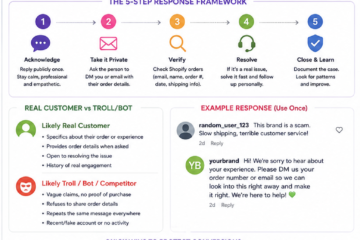
Managing Negative Reviews From Instagram to Shopify: Protecting Conversions Without Constant Monitoring

Running a small eCommerce brand often means wearing multiple hats at the same time. One moment you are fulfilling orders. The next moment you are answering customer emails. Then you switch into marketing mode, monitor advertising performance, review analytics, update products, and solve customer issues. For small teams, especially founder-led Read more…

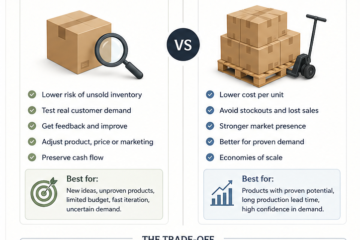
Managing Mixed Inventory Orders: Why Merchants Want More Control Over Automatic Split Shipments

Modern eCommerce operations are built around speed, flexibility, and customer convenience. Businesses today are expected to process orders quickly, fulfill them efficiently, and provide delivery experiences that meet increasingly high customer expectations. At first glance, automatic shipment splitting seems like a useful feature. If an order contains both available products Read more…

Product Page Conversion Through Real-Time Marketing: Turning Social Traffic Into Sales

Modern eCommerce has changed dramatically over the past few years. Customers no longer follow a traditional buying journey where they search for a product, compare multiple websites, and make a carefully researched purchase. Today, many buying decisions begin inside fast-moving social environments. People discover products while scrolling short-form videos, watching Read more…

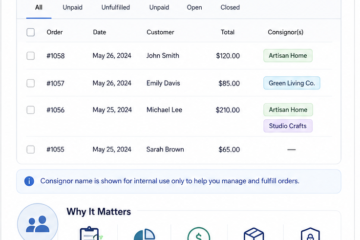
Showing Consignor Information on the Orders Page Without Exposing Customer Data

Managing consignment inventory creates a very different operational challenge compared with traditional retail inventory. In a standard inventory model, a business owns products before they are sold. Orders are processed, inventory decreases, and fulfillment continues normally. But consignment introduces another layer of responsibility. The merchant may sell products on behalf Read more…