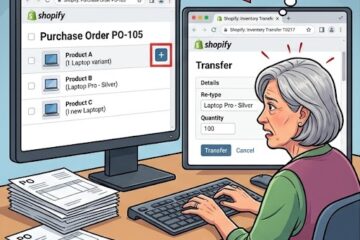
Purchase Orders and Inventory Transfers:

Why Automatic Syncing Matters Inventory management becomes increasingly complex as an ecommerce business grows. When a business manages multiple locations, suppliers, warehouses, and incoming shipments, even a small amount of duplicate data entry can create unnecessary work. More importantly, manual inventory updates can introduce errors that affect stock levels, purchasing Read more…

Hybrid Model Dropshipping

How to Combine Self-Fulfilled Gift Baskets With Dropshipped Products The traditional dropshipping model allows an online store to sell products without keeping physical inventory. When a customer places an order, the product is purchased from a supplier and shipped directly to the customer. This approach reduces inventory costs and makes Read more…

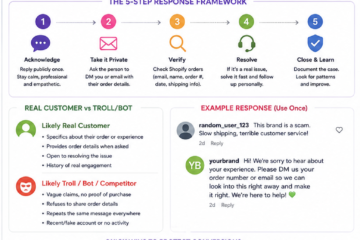
Managing Negative Reviews From Instagram to Shopify: Protecting Conversions Without Constant Monitoring

Running a small eCommerce brand often means wearing multiple hats at the same time. One moment you are fulfilling orders. The next moment you are answering customer emails. Then you switch into marketing mode, monitor advertising performance, review analytics, update products, and solve customer issues. For small teams, especially founder-led Read more…

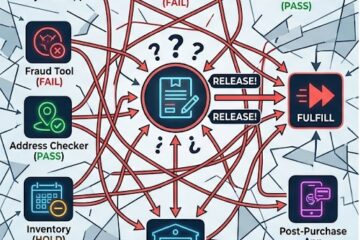
Managing Mixed Inventory Orders: Why Merchants Want More Control Over Automatic Split Shipments

Modern eCommerce operations are built around speed, flexibility, and customer convenience. Businesses today are expected to process orders quickly, fulfill them efficiently, and provide delivery experiences that meet increasingly high customer expectations. At first glance, automatic shipment splitting seems like a useful feature. If an order contains both available products Read more…

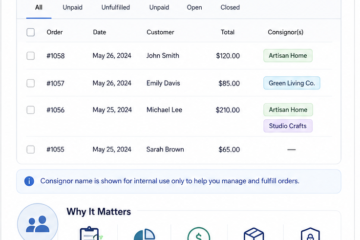
Showing Consignor Information on the Orders Page Without Exposing Customer Data

Managing consignment inventory creates a very different operational challenge compared with traditional retail inventory. In a standard inventory model, a business owns products before they are sold. Orders are processed, inventory decreases, and fulfillment continues normally. But consignment introduces another layer of responsibility. The merchant may sell products on behalf Read more…

Managing Large Product Catalogs with Variant-Level Sales Channel Control

Modern commerce businesses no longer sell products through a single storefront. Today’s merchants operate across multiple channels simultaneously, including direct online stores, wholesale portals, point-of-sale environments, partner marketplaces, business purchasing systems, and specialized distribution networks. While this multi-channel approach creates more opportunities for growth, it also introduces a new layer Read more…